ზაფხული დასრულდა: ნაკლები სტუმარი, სხვა შემადგენლობა
კალენდარული ზაფხული დამთავრდა. Geostat-ის III კვარტალი — 30 სექტემბერი. სამი მონაცემთა სერია — რესტორანი, II კვარტალი და ნახევარი წელი — არა ერთი პანიკური ციფრი.
2026 წლის 31 აგვისტო
კალენდარული ზაფხული დამთავრდა. ივლის-აგვისტოს საქართველოში შემოსული ვიზიტორების ოფიციალური მონაცემები ჯერ არ გამოქვეყნებულა: მესამე კვარტლის სტატისტიკა ცნობილი 30 სექტემბერს გახდება. ამიტომ, ამ ეტაპზე არავის შეუძლია სეზონის შეჯამება ერთიანი ციფრით „მინუს X პროცენტი“. შეიძლება სამი სხვადასხვა არსებული მონაცემთა სერიის შედარება, მაგრამ არა მათი ერთ პანიკურ ციფრად გაერთიანება.
სამი მონაცემთა სერია, არა ერთი შემაშფოთებელი მაჩვენებელი
რესტორნების დონე, ივლისის ბოლო.
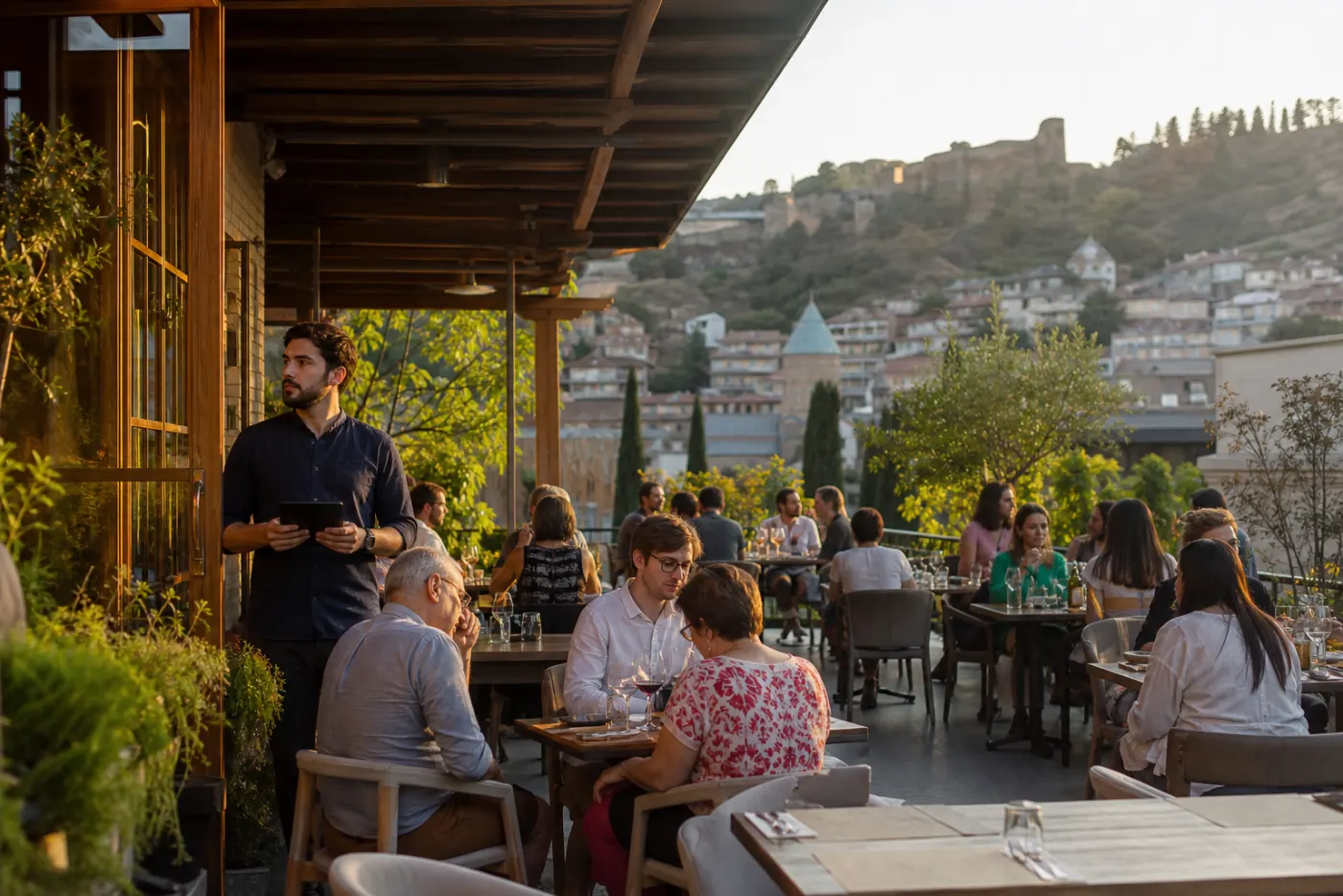
საქართველოს რესტორატორთა ასოციაციის პრეზიდენტი კოტე გაბრიჭიძე: რესტორნებში ტურისტების რაოდენობა წინა წელთან შედარებით 20–25%-ით შემცირდა. მაისი „პრაქტიკულად არ არსებობდა“ სიცივის გამო; ივნისი თითქმის განუწყვეტელი წვიმიანი იყო. უცხოელი სტუმრების დაახლოებით ნახევარი ჩვეულებრივ რუსულენოვანი ან პოსტსაბჭოთა ქვეყნებიდან ჩამოდის; ისრაელიდან და ირანიდან ვიზიტორები თითქმის გაქრნენ. წყარო: Georgia Today, 2026 წლის 27 ივლისი. ეს არის ტერასების მდგომარეობა, არა Geostat-ის მონაცემები.
ქვეყნის მასშტაბი, მეორე კვარტალი (აპრილი–ივნისი) — Geostat, 2026 წლის 30 ივლისი
| მაჩვენებელი | მნიშვნელობა | ცვლილება (წლიურად) |
|---|---|---|
| საერთაშორისო ვიზიტორები | 1.3 მილიონი | −5.2% |
| ვიზიტები | 1.5 მილიონი | −4.5% |
| ღამის გათევის მქონე ტურისტული ვიზიტები | 1.2 მილიონი | −2.7% |
| არარეზიდენტი მოგზაურების ჩამოსვლა | 1.7 მილიონი | −4.9% |
| ვიზიტების ხარჯები | 3.0 მილიარდი ლარი | −13.3% |
| საშუალო ხარჯი ერთ ვიზიტზე | 1,922.1 ლარი | −9.2% |
| კვება და სასმელი | 819.7 მილიონი ლარი (27.3% ხარჯებიდან) | 524.1 ლარი ვიზიტზე |
მთავარი ბაზრები მეორე კვარტალში: რუსეთი 25.1% (328,900 ვიზიტორი), თურქეთი 16.9%, სომხეთი 10.8%. ძირითადი რეგიონები: თბილისი 875,500 ვიზიტი, აჭარა 621,300.
წყაროები: Geostat-ის ანგარიში, Civil.ge.
ვიზიტორთა რაოდენობა ოდნავ შემცირდა, თანხა ერთ ვიზიტზე შესამჩნევად შემცირდა. ეს უფრო მნიშვნელოვანია, ვიდრე „სეზონი მოკვდა“.
ქვეყნის მასშტაბი, იანვარი–ივნისი — ტურიზმის ადმინისტრაცია.
შემოსავალმა შეადგინა $1.9 მილიარდი (−2%). ევროკავშირისა და გაერთიანებული სამეფოს ვიზიტები პირველ ნახევარში რეკორდული იყო: 249,201 (+23.4%), ამ ბაზრებიდან შემოსავალი $335.7 მილიონი (+21.2%). წყარო: Georgia Today.
ივლისი — შეფასება, არა Geostat.
Galt & Taggart-ის შეფასება: ივლისის ტურიზმის შემოსავალი $590 მილიონი (+7.1%); იანვარ–ივლისი $2.5 მილიარდი, დაახლოებით გასული წლის დონეზე. წყარო: 2026 წლის 10 აგვისტოს ანგარიში. ეს არის ბანკის შეფასება. არ აურიოთ 20–25%-იან შემცირებასთან რესტორნების დატვირთვაში ივლისში.
შემადგენლობა, არა კატასტროფა
ასოციაციის მასალაში ასევე აღნიშნულია: სომხეთი, ყაზახეთი, ბელარუსი და რუსეთი რჩებიან; თურქეთი მეზობელია; სამხრეთი კორეა, ჩინეთი და ტაილანდი იზრდებიან; ინდოეთი შენელდა IndiGo-ს პირდაპირი ფრენების შეჩერების შემდეგ; ბრიტანელი ვიზიტორები სულ უფრო ჩნდებიან (ახალი მიმართულებები, მათ შორის დაბალბიუჯეტიანი), ასევე იტალია, საბერძნეთი და პოლონეთი.
Geostat ამას არ ეწინააღმდეგება: მეორე კვარტალში რუსეთი კვლავ უმსხვილესი ბაზარი იყო. შეიცვალა ის, თუ ვინ ხარჯავს და რამდენს. საშუალო ღამის გათევა ოდნავ გაიზარდა (5.48 ღამე), ხოლო ხარჯი ვიზიტზე შემცირდა.
რა ვქნათ სექტემბრის პირველ კვირას
ნაბიჯი 1. ჩაწერეთ აგვისტო, სანამ გახსოვთ
შვიდიდან თოთხმეტი დღე: საიდან მოვიდნენ სტუმრები, ენა, წინასწარი დაჯავშნა თუ მისვლა, ტერასა თუ შენობა. თუ ეს მხოლოდ ინსტაგრამის პირად შეტყობინებებში და ბლოკნოტში ცხოვრობს, თქვენ მხოლოდ ვარაუდობთ შემადგენლობას.
ნაბიჯი 2. ნუ დააკოპირებთ გასული სექტემბრის განრიგს
სანამ Geostat გამოაქვეყნებს მესამე კვარტლის მონაცემებს (30 სექტემბერი), რესტორანმა უკვე უნდა ჰქონდეს საკუთარი სურათი. ნუ დააკოპირებთ გასული სექტემბრის განრიგს გასული ივნისის მონაცემებზე დაყრდნობით. ცივმა მაისმა და წვიმიანმა ივნისმა ტერასების ნაწილი უკვე წაართვა. შემოდგომა სხვა რიტმია და სხვა სტუმარი.
ნაბიჯი 3. დააფიქსირეთ სივრცე იმ სტუმრებისთვის, ვინც რეალურად იჯდა ამ ზაფხულს
მენიუ და დაჯავშნის გზა, რომელიც ევროკავშირის, გაერთიანებული სამეფოს ან კორეის სტუმარს შეუძლია გამოიყენოს, არ არის თეატრი. ეს არის ის, თუ როგორ იკავებს ახალი ნაკადი მაგიდას, სანაცვლოდ ჩვეულებრივი ნაკადი სუსტდება.
თქვენი საკუთარი დაჯავშნის გვერდი და სტუმრების მონაცემები ერთ ადგილზე არ დააბრუნებს ზაფხულს. ისინი იმისთვის არიან, რომ ღვინის სეზონისთვის გქონდეთ სია — ვინ დაჯავშნა, ვინ მოვიდა, ვინ არა — და არა ამბავი, რომ „რუსულენოვანთა ნაკადი თითქოს შემცირდა“.
ტელეფონი და ინსტაგრამი რჩება. ციფრული დაჯავშნის არხი აჩვენებს შემადგენლობას სეზონის დასრულების შემდეგ, ჯერ კიდევ ეროვნული ანგარიშის გამოქვეყნებამდე.
წყაროები:
- Georgia Today, ციფრებს მიღმა: რესტორნები ტურიზმის გეოგრაფიის ცვლილებაზე (27 ივლისი 2026; კოტე გაბრიჭიძე)
- Geostat, შემოსული ტურიზმის სტატისტიკა (II კვარტალი, 2026) (30 ივლისი 2026)
- Civil.ge, საერთაშორისო ვიზიტორები საქართველოში II კვარტალში 5,2%-ით შემცირდა
- Georgia Today, ტურიზმის შემოსავალი 2026 წლის პირველ ნახევარში
- Galt & Taggart, ივლისის 2026 შემოსავლის შეფასება (10 აგვისტო 2026)
- Geostat-ის კალენდარი: შემოსული ტურიზმი, III კვარტალი 2026 — 30 სექტემბერი 2026